Vermont’s Fall Foliage Season: How It Works and Why It Matters
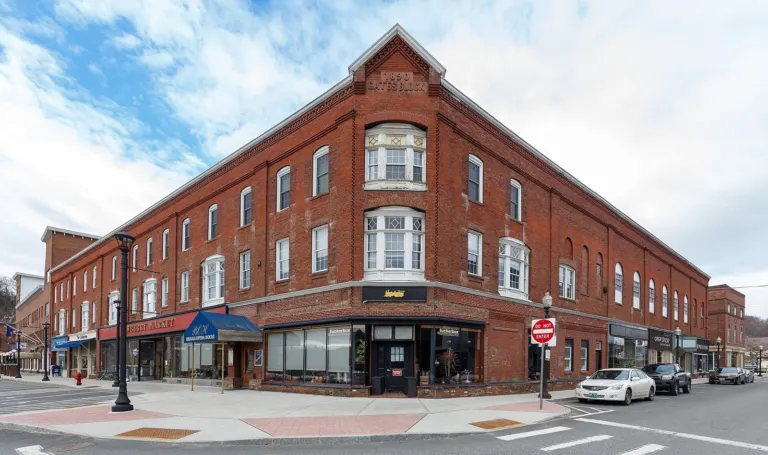
Photo: Anthony Quintano / Wikimedia Commons, CC BY 2.0.
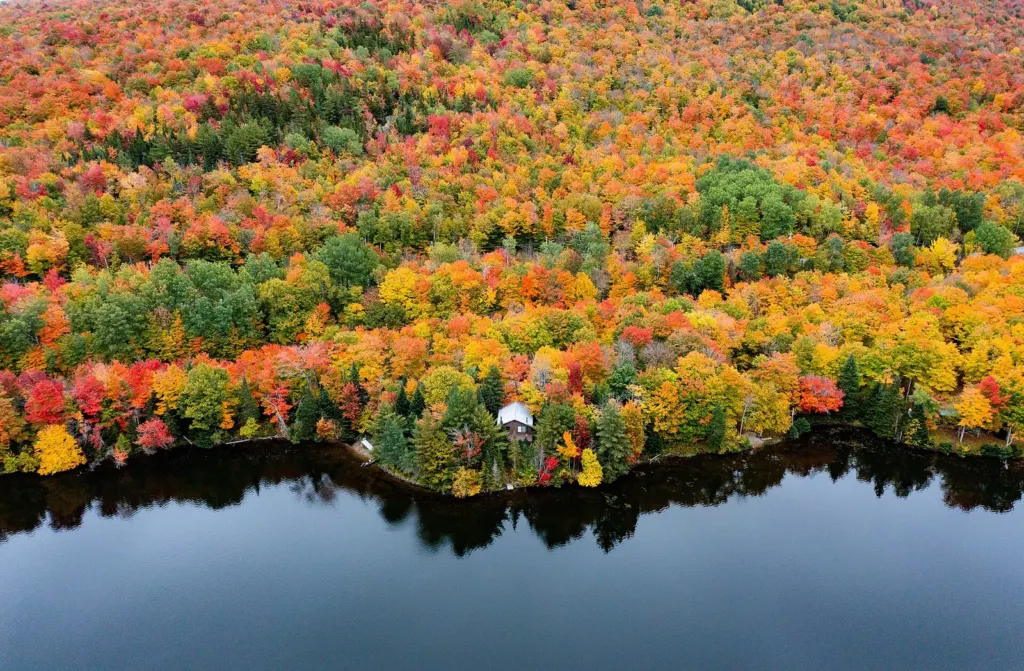
Every autumn, Vermont’s hillsides turn red, orange and gold, and visitors come from around the world to see it. Fall foliage season is one of the state’s peak travel periods, filling inns, country stores, orchards and back roads from mid-September through October.
Why leaves change color
During the growing season, leaves are green because of chlorophyll, the pigment plants use for photosynthesis. As days shorten and nights cool in autumn, trees stop making chlorophyll, and it breaks down. That reveals:
- Yellow and orange pigments (carotenoids), present in the leaf all summer but hidden by green. Birches, aspens and many maples show these.
- Red and purple pigments (anthocyanins), which some trees, especially red maples and sugar maples, actively produce in fall. Sunny days and cool (not freezing) nights favor brilliant reds.
Vermont’s forests are dominated by northern hardwoods, including sugar maple, red maple, birch, beech and ash, mixed with evergreens. That mix produces the varied colors the state is known for.
Timing
Color usually starts in the north and at higher elevations, often in the second half of September, and moves south and downhill into October. Valleys and southern Vermont often peak in early to mid-October. Lakeside areas such as the Champlain Valley can stay colorful later.
Timing and intensity vary each year. Drought can cause early browning and leaf drop, heavy rain and wind can strip trees early, warm autumns can delay and mute color, and early hard frosts can end the season abruptly.
Following the season
- The Vermont Department of Tourism and Marketing publishes regular foliage reports during the season, along with maps and suggested drives.
- The Vermont Department of Forests, Parks and Recreation offers background on forest health and seasonal conditions.
- Local chambers list harvest festivals, craft fairs, apple-picking and events.
Popular drives
Classic routes include:
- Route 100, running north-south through the Green Mountains,
- Route 108 through Smugglers’ Notch (closed to large vehicles and in winter),
- the Mad River Valley and Lincoln Gap (seasonal, steep),
- Route 7 and the Molly Stark Trail (Route 9) in southern Vermont,
- the Northeast Kingdom, around Lake Willoughby and Burke.
Visiting responsibly
- Book lodging early. Peak weekends sell out.
- Travel midweek to avoid crowds.
- Pull fully off the road for photos, and never stop in travel lanes.
- Respect private property. Many famous viewpoints, including farms and covered bridges, sit on private land. Don’t trespass in fields or on driveways.
- Support local businesses: farm stands, general stores and restaurants.
- Leave no trace on trails, and be careful during hunting season, which begins in fall. Wear blaze orange in the woods.
Why it matters economically
Fall is one of Vermont’s most important tourism seasons, alongside summer and winter. Visitor spending supports lodging, dining, retail and attractions, and it generates rooms and meals tax revenue for the state. For many small businesses, a strong foliage season helps carry them through the quieter “stick season” in November and the spring “mud season.”
Foliage season also highlights the importance of Vermont’s working forests, which supply timber, wood heat and maple syrup.
Frequently asked questions
When is peak foliage in Vermont? It varies by year and location. Northern and high-elevation areas often peak in late September to early October, and southern and lower areas in early to mid-October. Follow the state’s foliage reports for current conditions.
Is it worth visiting after peak? Yes. Late-season color often lingers in valleys and along Lake Champlain, crowds thin out, and lodging is easier to find. Oaks and tamaracks can stay colorful into late October.
Do I need reservations? For lodging on peak weekends, yes, and many popular restaurants also fill up. Weekdays are easier.
What’s “stick season”? It’s the Vermont name for the weeks after the leaves fall and before snow arrives, usually in November. It’s quiet, with bare trees and long views, and many inns and restaurants take a break.
Can I see foliage without a car? Some tour companies and scenic train excursions run during foliage season, and towns such as Burlington, Stowe and Woodstock have walkable downtowns with nearby hiking trails.
Related coverage
See our farmers markets guide and the ski industry, the next season of visitors. More in Community.
Sources
- Vermont Department of Tourism and Marketing, foliage: https://www.vermontvacation.com/
- Vermont Department of Forests, Parks & Recreation: https://fpr.vermont.gov/
- USDA Forest Service, “Why Leaves Change Color”: https://www.fs.usda.gov/