Farmers Markets Across Vermont: A Seasonal Guide
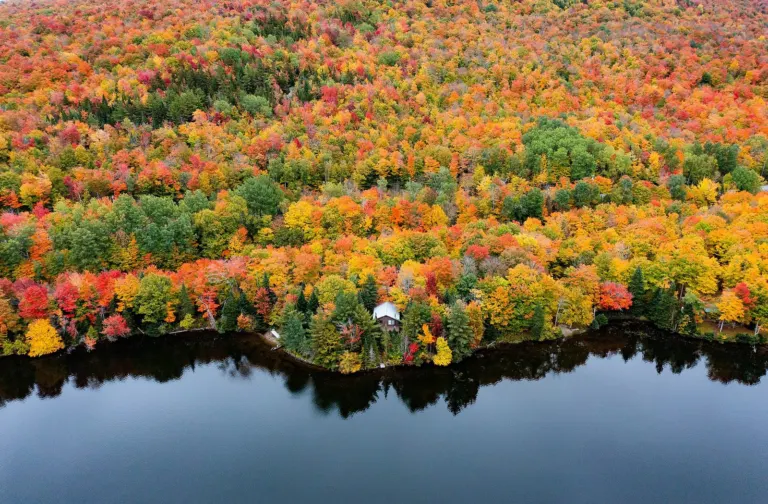
Photo: dvs / Wikimedia Commons, CC BY 2.0.
On summer Saturdays across Vermont, town greens and parking lots fill with tents, tables and crowds. Farmers markets are part of daily life here. Vermont has one of the highest numbers of farmers markets per person in the country, and they serve as grocery stores, community gathering places and small-business incubators at once.
Where to find them
Markets range from large regional markets to small weekly gatherings on a village green. Some of the larger and better-known include:
- Burlington Farmers Market, held Saturdays in season near downtown,
- Capital City Farmers Market in Montpelier,
- Middlebury Farmers Market,
- Rutland County Farmers Market, one of the state’s oldest and largest,
- Brattleboro Area Farmers Market,
- and markets in Stowe, Norwich, St. Johnsbury, Waitsfield, Manchester and dozens of other towns.
Locations, days and hours change, sometimes from year to year, so check before you go.
The best way to search
The Northeast Organic Farming Association of Vermont (NOFA-VT) keeps a statewide farmers market directory with locations, days and times, and which markets accept SNAP. The Vermont Agency of Agriculture and local chambers also list markets.
Seasons
- Summer markets usually run from May or June through October.
- Winter markets run indoors, often monthly or every other week, from November through spring. They feature storage crops, meat, eggs, cheese, baked goods, maple and crafts.
What you’ll find
- Vegetables and fruit: early greens and asparagus in spring, berries and tomatoes in summer, apples, squash and root vegetables in fall.
- Meat, eggs and dairy: pasture-raised beef, pork, chicken and lamb, eggs and artisan cheese.
- Maple products (see our maple story).
- Baked goods, prepared foods, coffee and lunch from food vendors.
- Crafts, flowers and plants.
- Often live music and community tables.
Food access: SNAP and Crop Cash
Many Vermont markets accept 3SquaresVT (SNAP) benefits through a market information booth, where shoppers swipe an EBT card and receive tokens. Crop Cash, run by NOFA-VT, has matched SNAP purchases of fruits and vegetables at participating markets, effectively doubling buying power up to a limit. Some markets also accept WIC and senior Farmers Market Nutrition Program coupons. Check each market’s current offerings.
Tips for shoppers
- Go early for the best selection, or late for possible deals.
- Bring cash and bags. Many vendors take cards, but not all.
- Ask questions. Farmers usually enjoy talking about how they grow.
- Plan by season. Vermont’s growing season is short, so what’s available changes quickly.
Why markets matter
For many small farms and food businesses, farmers markets are a key outlet. They let farmers sell directly at retail prices, test new products and build loyal customers. Some successful businesses, from cheesemakers to bakeries, started at a market table (see our profile of Vermont’s small makers). Markets also keep money circulating locally and bring life to downtowns.
Frequently asked questions
Can I bring my dog? Policies vary by market. Some don’t allow pets for food safety and crowd reasons, so check before you go.
Do vendors have to grow what they sell? Many markets have rules requiring vendors to produce what they sell, and some allow limited resale. Ask your market about its policies.
Can I become a vendor? Most markets accept vendor applications in the winter for the following season. Contact the market manager for fees, rules and space availability. New vendors often start at smaller markets.
Are winter markets worth it? Yes. Winter markets are a good source of local meat, eggs, cheese, storage vegetables, maple syrup and baked goods when fresh produce is scarce.
What’s in season when? Spring brings greens, asparagus, rhubarb and ramps. Summer brings berries, peas, zucchini, sweet corn and tomatoes. Late summer and fall bring apples, pears, squash, potatoes, garlic and root vegetables, and cool-weather greens return in fall. Maple, meat, eggs and cheese are available most of the year.
Related coverage
See how dairy farms are adapting, our fall foliage guide, and Burlington’s Church Street Marketplace. More in Community.
Sources
- NOFA-VT, farmers market directory and Crop Cash: https://nofavt.org/
- Vermont Agency of Agriculture, Food & Markets: https://agriculture.vermont.gov/
- Vermont Department for Children and Families, 3SquaresVT: https://dcf.vermont.gov/benefits/3SquaresVT