Veterans’ Health Care in Vermont: Where to Get Care and Help
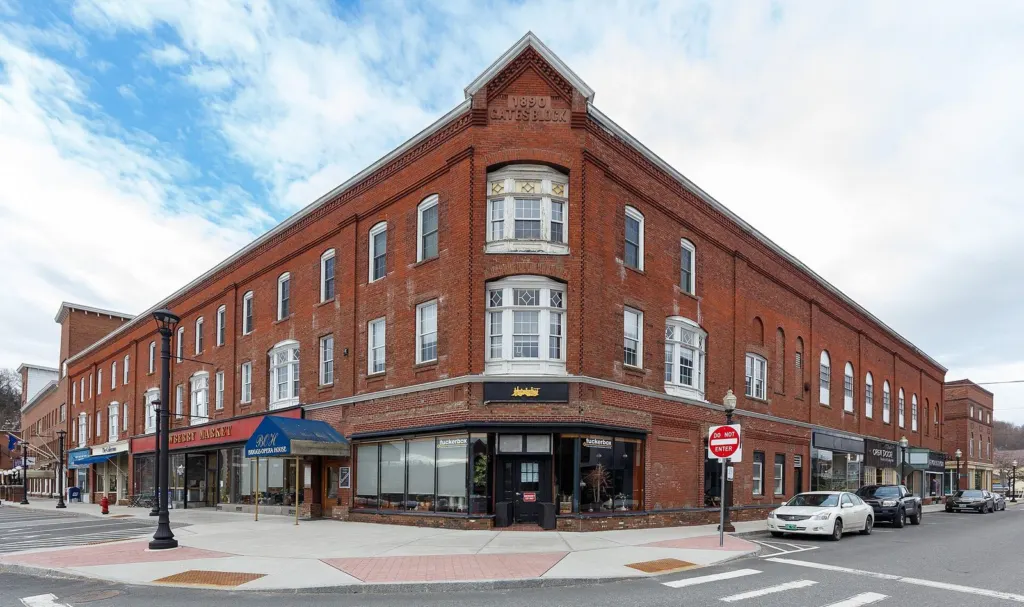
The Gates Block in the White River Junction Historic District, Vermont. Photo: Kenneth C. Zirkel / Wikimedia Commons, CC BY 4.0.
Vermont has a large veteran population for its size, spread across rural communities far from the nearest hospital. Federal funding for veterans’ health care has long been a priority for the state’s congressional delegation, and the system has expanded over the past two decades to bring care closer to home.
This guide explains where Vermont veterans can get care, how to enroll, and where to get free help with benefits.
The White River Junction VA Medical Center
The White River Junction VA Medical Center, in the town of Hartford near the New Hampshire border, is the main VA hospital for Vermont and parts of western New Hampshire. It provides:
- primary care and specialty care,
- inpatient medical and surgical care,
- mental health and substance use treatment,
- women’s health services,
- and programs for homeless and at-risk veterans.
It is affiliated with Dartmouth’s medical school, which helps bring in specialists and trainees.
Community-based outpatient clinics
To reduce travel, the VA runs community-based outpatient clinics (CBOCs) around Vermont. They have included sites in or near Bennington, Brattleboro, Burlington/Colchester, Newport and Rutland. Clinics typically provide primary care, mental health care and some telehealth. Locations and services change, so check the VA’s White River Junction health care page for current clinics.
Care outside the VA
Under the federal MISSION Act, eligible veterans can get care from approved community providers at VA expense when VA care isn’t available within certain drive-time or wait-time standards, or when it’s in the veteran’s best medical interest. Ask your VA care team or call the VA to see whether you qualify.
Enrolling in VA health care
You can apply online at VA.gov, by phone or in person. Eligibility depends on service history, discharge status and other factors such as service-connected disabilities and income. Many veterans who think they don’t qualify actually do, so it’s worth applying.
The PACT Act
The PACT Act of 2022 expanded health care and benefits for veterans exposed to burn pits, Agent Orange and other toxic substances. It added many presumptive conditions and broadened eligibility for VA health care. Veterans who were denied in the past may want to reapply.
Free help with benefits claims
You don’t need to pay anyone to file a VA claim. Free help is available from:
- The Vermont Office of Veterans Affairs, which helps with VA claims and state benefits, including property tax exemptions for some disabled veterans, burial benefits and emergency assistance.
- Accredited veterans service officers with organizations such as the American Legion, VFW and Disabled American Veterans, who represent veterans in claims for free.
Be cautious about companies that charge fees to help with initial claims. Federal law limits fee charging in many situations.
Long-term care
The Vermont Veterans’ Home in Bennington is a state-run long-term care facility for veterans and eligible family members, offering nursing and memory care.
Mental health and crisis support
- Veterans Crisis Line: dial 988 and press 1, text 838255 or chat online, 24/7.
- Vet Centers offer readjustment counseling for veterans and families. Vermont has had Vet Centers in the Burlington area and White River Junction.
Housing and other help
Veterans can also look into VA home loans (see our homebuyer guide), the HUD-VASH housing voucher program for homeless veterans, and Vermont tax provisions for some military retirement income (see retirement and taxes).
Contacting your members of Congress
If a VA claim or appointment problem gets stuck, Vermont’s congressional offices have caseworkers who can help for free. See how to reach Vermont’s delegation. More in Community.
Frequently asked questions
Do I have to have a service-connected disability to use VA health care? No. Many veterans without service-connected conditions qualify, depending on factors such as service dates, discharge status and income. The VA assigns enrolled veterans to priority groups that affect copays.
Can my spouse or family use VA health care? Generally, VA health care covers veterans. Some family members may qualify for programs such as CHAMPVA, and caregivers of seriously injured veterans may qualify for caregiver support programs.
How long does a disability claim take? Processing times vary. The VA publishes current average processing times on its website. Filing a complete claim with supporting medical evidence, with help from an accredited representative, can help avoid delays.
Is the Vermont Veterans’ Home only for veterans? It primarily serves veterans, but eligible spouses and some family members of veterans may also be admitted, subject to availability and eligibility rules.
Sources
- VA White River Junction health care: https://www.va.gov/white-river-junction-health-care/
- VA, community care: https://www.va.gov/communitycare/
- VA, PACT Act: https://www.va.gov/resources/the-pact-act-and-your-va-benefits/
- Vermont Office of Veterans Affairs: https://veterans.vermont.gov/
- Veterans Crisis Line: https://www.veteranscrisisline.net/