Retirement and Taxes in Vermont: Social Security, Pensions and Exemptions
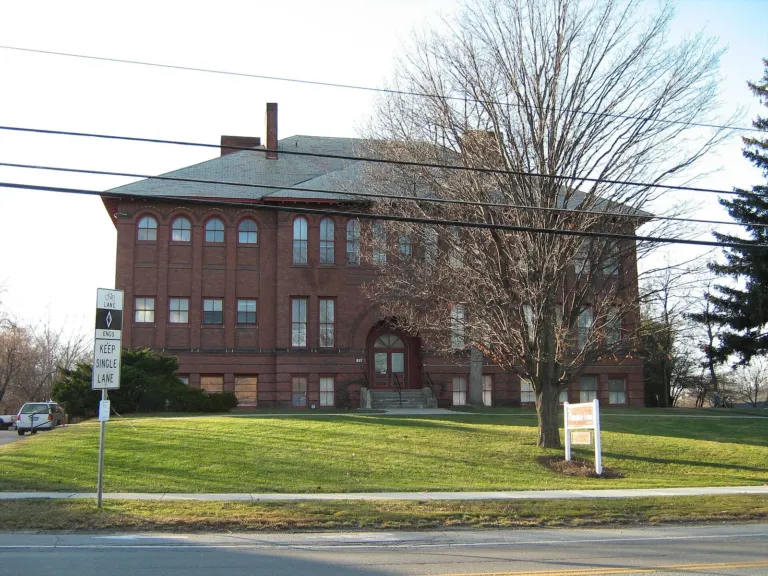
Norwich Historical Society building in Norwich, Vermont. Photo: Kenneth C. Zirkel / Wikimedia Commons, CC BY 4.0.
Vermont often appears on lists of states that tax retirees heavily. The real picture is more nuanced. Many middle-income retirees pay no Vermont tax on Social Security, and several targeted exemptions apply. Here’s how it works for the 2025 tax year (returns filed in 2026), based on Vermont Department of Taxes guidance. Thresholds change frequently, so always confirm current figures.
Social Security benefits
Vermont starts with your federally taxable Social Security benefits and then allows an exemption based on adjusted gross income (AGI). For tax year 2025, according to the Department of Taxes:
- Single, head of household, surviving spouse and married filing separately: Social Security is fully exempt if AGI is $55,000 or less. The exemption phases out between $55,000 and $65,000, with no exemption at $65,000 and above.
- Married filing jointly / civil union filing jointly: fully exempt with AGI of $70,000 or less, phasing out between $70,000 and $80,000.
Lawmakers have raised these thresholds several times in recent years, so they may change again.
Pensions, 401(k)s and IRAs
Most other retirement income, including private pensions, 401(k) and 403(b) withdrawals and traditional IRA distributions, is generally taxed as ordinary income at Vermont’s graduated rates.
Vermont offers a retirement income exclusion for some types of income, subject to eligibility and income limits:
- Military retirement pay: Vermont has expanded its exclusion for military retirement and survivor benefits.
- Civil Service Retirement System (CSRS) benefits and some other public pensions where the retiree didn’t earn Social Security.
These exclusions generally can’t be combined with the Social Security exemption. Taxpayers typically choose the one that benefits them most. Check the Department of Taxes’ Seniors and Retirees page for the current rules.
Property taxes
For many Vermont retirees, property taxes are a bigger concern than income taxes. Key steps:
- File a Homestead Declaration every year so your home is taxed at the homestead rate.
- Claim the property tax credit if your household income is under the limit. Part of your education tax will then be based on income instead of home value. You file even if you don’t owe income tax.
- Renters with low or moderate income may qualify for a renter credit.
See our full explainer on how Vermont property taxes work.
Estate tax
Vermont has its own estate tax, separate from the federal one, with an exemption of $5 million. Estates below that amount generally owe no Vermont estate tax. Vermont doesn’t have an inheritance tax.
Sales and other taxes
Vermont’s sales tax is 6%, with local option taxes in some towns. Groceries, prescription drugs and most clothing are exempt, which helps fixed-income households. Rooms, meals and alcohol served in restaurants have higher rates.
Free tax help
- AARP Foundation Tax-Aide sites offer free preparation, with a focus on older taxpayers.
- IRS VITA (Volunteer Income Tax Assistance) sites help low- and moderate-income filers.
- The Vermont Department of Taxes taxpayer services line can answer questions about forms and credits.
Planning considerations
- Timing withdrawals from IRAs and 401(k)s can affect whether your AGI stays under the Social Security exemption threshold.
- Roth conversions may make sense in low-income years, but they raise AGI in the year of conversion.
- Required minimum distributions begin at age 73 for many retirees under current federal law.
A tax professional or fee-only financial planner can help with these decisions.
Frequently asked questions
Does Vermont tax Social Security if I live here part of the year? Part-year residents generally pay Vermont tax on income earned while a resident, including Social Security received during residency, subject to the same exemptions. Check the Department of Taxes’ guidance for part-year residents.
Do I need to file a Vermont return if my income is low? Even if you owe no income tax, you may need to file to claim the property tax credit or renter credit, which can be worth hundreds or thousands of dollars.
Is Vermont’s income tax graduated? Yes. Vermont has several brackets, with rates rising as taxable income rises. Rates and brackets are adjusted periodically, so check the current year’s tax booklet.
Related coverage
See our guides to veterans’ services in Vermont, first-time homebuyer help, and small business financing. More in Finance.
Sources
- Vermont Department of Taxes, Social Security exemption: https://tax.vermont.gov/individuals/income-tax-returns/social-security-exemption
- Vermont Department of Taxes, Seniors and Retirees: https://tax.vermont.gov/individuals/seniors-and-retirees
- 32 V.S.A. § 5830e, retirement income and Social Security: https://legislature.vermont.gov/statutes/section/32/151/05830e
- Vermont Department of Taxes, estate tax: https://tax.vermont.gov/