Small Business Grants and Loans for Vermont Entrepreneurs
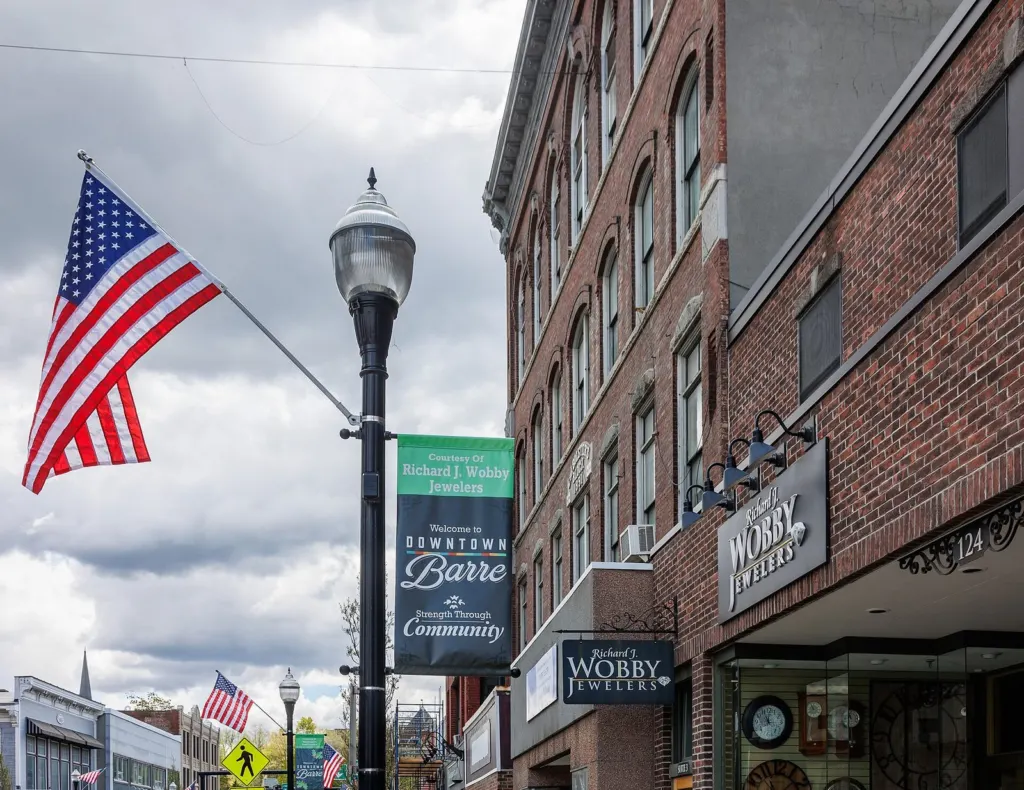
Welcome to Downtown Barre sign on Main Street in Barre, Vermont. Photo: Kenneth C. Zirkel / Wikimedia Commons, CC BY 4.0.
Vermont is a small-business state. Most employers have fewer than 20 workers, and many are sole proprietors or family businesses. Whether you’re opening a café, expanding a machine shop or buying a farm, finding capital and good advice is often the hardest part.
This guide covers the main sources of financing and free help in Vermont. Programs change, so confirm current terms with each organization.
First, a reality check about “grants”
Many people start by searching for small business grants. In practice, general-purpose grants are rare. Most grant money is tied to specific goals, such as agriculture and forestry, energy efficiency, disaster recovery, rural development or innovation research. Most businesses finance growth with loans, owner equity and sometimes investors.
Lenders and loan programs
Vermont Economic Development Authority (VEDA)
VEDA is the state’s economic development lender. It offers:
- commercial loans for real estate, equipment and working capital, often alongside a bank,
- Vermont Agricultural Credit Corporation loans for farms and food businesses,
- and forest products financing.
VEDA often takes on loans that banks consider too risky alone, sharing the risk.
U.S. Small Business Administration (SBA)
The SBA doesn’t usually lend directly. It guarantees loans made by banks and credit unions, which makes lenders more willing to lend:
- 7(a) loans: the main general-purpose program.
- 504 loans: long-term, fixed-rate financing for real estate and major equipment, made with a Certified Development Company.
- Microloans of up to $50,000 through nonprofit intermediaries.
The SBA’s Vermont District Office in Montpelier can connect you with lenders.
Community lenders
Community development financial institutions (CDFIs) serve borrowers who may not qualify at a bank, including startups, low-income entrepreneurs and borrowers with limited credit. In Vermont they include Community Capital of Vermont and the Vermont Community Loan Fund, and some regional organizations also run loan funds. Many pair lending with business coaching.
Banks and credit unions
Vermont’s community banks and credit unions remain the most common source of business loans. A strong relationship with a local lender pays off.
Grants worth knowing
- Working Lands Enterprise Initiative: state grants for agriculture and forest-products businesses.
- USDA Rural Development: grants and guaranteed loans for rural businesses, including the Rural Energy for America Program (REAP) for renewable energy and efficiency.
- Vermont Small Business Innovation Research (SBIR) support for technology companies pursuing federal research grants.
- Disaster programs after declared disasters, such as the 2023 and 2024 floods.
Free advising
- Vermont Small Business Development Center (SBDC): free, confidential one-on-one advising on business plans, financing, marketing and more, with advisors around the state.
- SCORE: free mentoring from experienced business people.
- Regional development corporations (RDCs): help with sites, workforce, financing and state programs in each region.
- Center for Women & Enterprise and other programs for specific groups of entrepreneurs.
What lenders look for
- A clear business plan with realistic financial projections.
- Owner investment: lenders want to see you have money at stake.
- Credit history, personal and business.
- Collateral, though SBA guarantees can help when it’s limited.
- Cash flow to repay the loan.
Frequently asked questions
Do I need a business plan to get advice? No. SBDC advisors can help you build one from scratch.
How long does an SBA loan take? It depends on the lender, loan type and how complete your application is. Ask lenders about timelines up front.
What about crowdfunding? Some Vermont businesses raise money through rewards-based crowdfunding or investment crowdfunding, which is regulated by securities laws.
Should I form an LLC? Many small businesses register as LLCs for liability protection. Registration is handled by the Vermont Secretary of State. Talk with an attorney or accountant about which structure fits your situation.
Where do I register for state taxes? If you’ll collect sales tax or meals and rooms tax, or have employees, register with the Vermont Department of Taxes before you open.
Related coverage
See our profile of the Vermont Chamber of Commerce, Vermont’s small makers, and business solar. More in Finance and Business.
Sources
- Vermont Economic Development Authority: https://www.veda.org/
- SBA Vermont District Office: https://www.sba.gov/district/vermont
- Vermont Small Business Development Center: https://www.vtsbdc.org/
- Working Lands Enterprise Initiative: https://workinglands.vermont.gov/
- USDA Rural Development, Vermont: https://www.rd.usda.gov/vt