Vermont’s Climate and Energy Laws, Explained: Clean Heat, Renewables and the 2030 Deadline
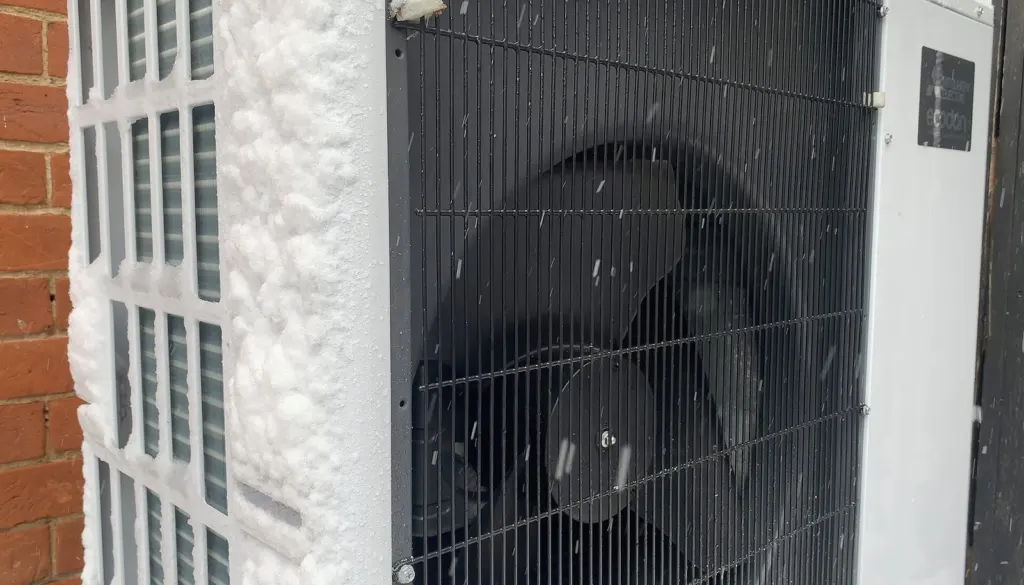
Air-source heat pump outdoor unit beside a house in snow. Photo: PeterEastern / Wikimedia Commons, CC BY-SA 4.0.
Vermont has passed several major energy and climate laws over the past decade, and they often get confused. Some are in full force, one was abandoned, and the next legal deadline is only a few years away. Here’s a plain-language guide.
The Global Warming Solutions Act (2020)
In 2020, the Legislature passed the Global Warming Solutions Act (GWSA) over Gov. Phil Scott’s veto. It turned Vermont’s earlier greenhouse gas goals into legally binding requirements and set reduction targets, measured against 1990 or 2005 levels, for 2025, 2030 and 2050.
The GWSA also:
- created the Vermont Climate Council to write and update a Climate Action Plan, and
- allowed people to sue the state if it fails to adopt rules to meet the targets.
Vermont’s biggest sources of emissions are transportation and heating buildings, so meeting the targets depends largely on those two sectors.
The Renewable Energy Standard (electricity)
The Renewable Energy Standard (RES), in place since 2017, governs where Vermont’s electric utilities get their power. Act 179 of 2024 made it far stricter. According to the Public Utility Commission:
- In 2025, utilities had to get at least 63% of their supply from renewable sources, rising each year.
- Most utilities must reach 100% renewable by 2030. Municipal utilities and GF Power (GlobalFoundries’ utility) have until 2035.
- New tiers require utilities to buy new renewable energy from the region and to meet much of their load growth, including growth from heat pumps and electric vehicles, with new renewables.
- Green Mountain Power must get a growing share from new in-state distributed renewables, reaching 20% by 2035.
Because electricity is already relatively low-carbon in Vermont, thanks largely to Hydro-Québec and in-state renewables, the RES mainly affects which sources utilities buy from and how much new generation gets built. Electric rates are regulated separately by the PUC.
The Affordable Heat Act and the Clean Heat Standard
In 2023, lawmakers passed the Affordable Heat Act (Act 18), again over Scott’s veto. It told the PUC to design a Clean Heat Standard: a system that would require fuel dealers to earn “clean heat credits” by delivering lower-carbon heating, such as heat pumps, weatherization or biofuels, or to buy credits from others.
The law required the Legislature to vote again before the program could take effect. That vote never happened. Critics, including the governor and fuel dealers, warned the program could raise heating costs, while supporters said it was the main tool for cutting building emissions. The issue played a part in the 2024 elections, which reduced Democratic majorities.
In February 2026, the PUC closed its rulemaking case, and the Clean Heat Standard is not going into effect, as WCAX reported. In May 2026 the Senate voted to repeal the Affordable Heat Act as part of another bill, but the House didn’t take it up before adjournment, so the law remains on the books in dormant form.
The 2030 question
Without a Clean Heat Standard, Vermont still faces the GWSA’s 2030 requirement. State agencies and the Climate Council are weighing other approaches, such as incentives, efficiency programs, data collection on fuel use, and transportation policy. Because the GWSA allows lawsuits, environmental groups could go to court if the state doesn’t act.
What households and businesses can do now
Whatever happens in Montpelier, programs exist today:
- Efficiency Vermont and utilities offer weatherization and heat pump incentives. Income-eligible households can get free weatherization through regional Weatherization Assistance programs.
- Federal tax credits for efficiency and clean energy have changed under recent federal law, so check what still applies.
- Utilities offer programs for EV charging and battery storage.
Frequently asked questions
Is the Clean Heat Standard dead for good? It isn’t in effect, and the PUC closed its rulemaking case in 2026. Because the 2023 law wasn’t repealed, a future Legislature could revive or replace it, and regulators have noted the case could be reopened.
Will my electric bill go up because of the RES? Utilities’ costs to meet the RES flow into rates, which the PUC reviews. Utilities and the state argue that Vermont’s existing renewable contracts limit the added cost. Rate cases are public and posted on the PUC’s website.
Related coverage
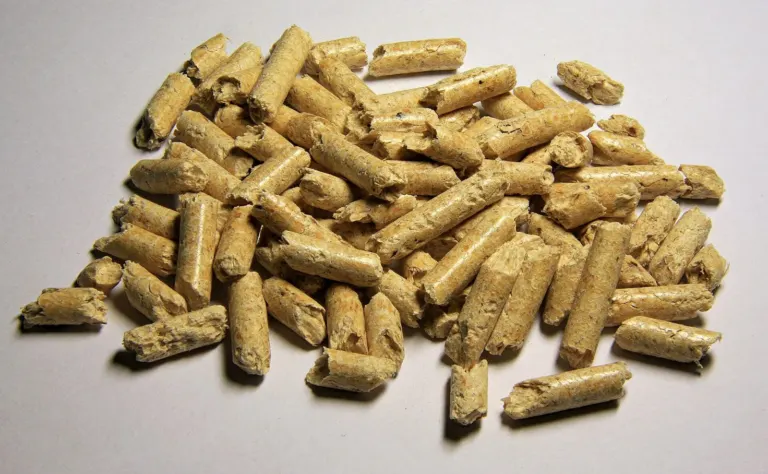
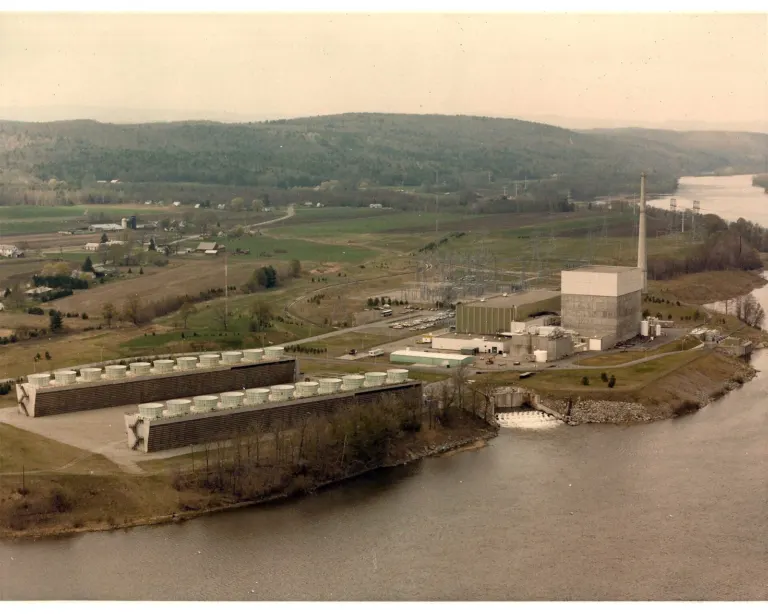
Read our guides to wood pellet heating, solar at Vermont businesses, and the history of Vermont Yankee. More in Energy & Environment.
Sources
- Vermont Climate Council: https://climatechange.vermont.gov/
- Vermont Public Utility Commission, Renewable Energy Standard: https://puc.vermont.gov/electric/renewable-energy-standard
- WCAX, “Vermont’s Clean Heat Standard will not go into effect,” Feb. 7, 2026: https://www.wcax.com/2026/02/07/vermonts-clean-heat-standard-will-not-go-into-effect/
- WAMC, “Vermont Senate votes to repeal Clean Heat Standard,” May 20, 2026: https://www.wamc.org/
- Efficiency Vermont: https://www.efficiencyvermont.com/