Vermont’s Small Makers: Cheese, Cider and Craft Producers
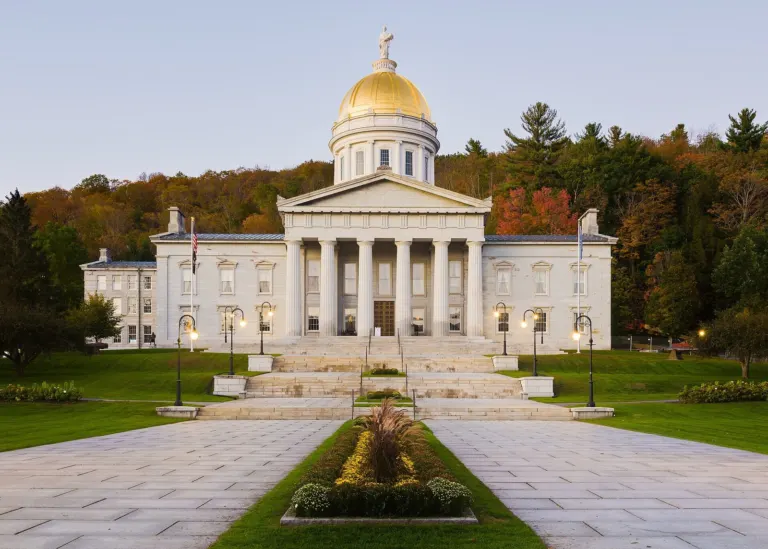
Photo: John Phelan / Wikimedia Commons, CC BY 4.0.
“Made in Vermont” sells. Shoppers across the country pay more for Vermont cheese, maple, cider and crafts, and that reputation was built largely by small producers: farmstead cheesemakers, orchardists, brewers, bakers, potters and woodworkers working in barns, garages and village workshops across the state.
This article looks at several of these sectors and what it takes to make a living as a small maker in Vermont.
Artisan cheese
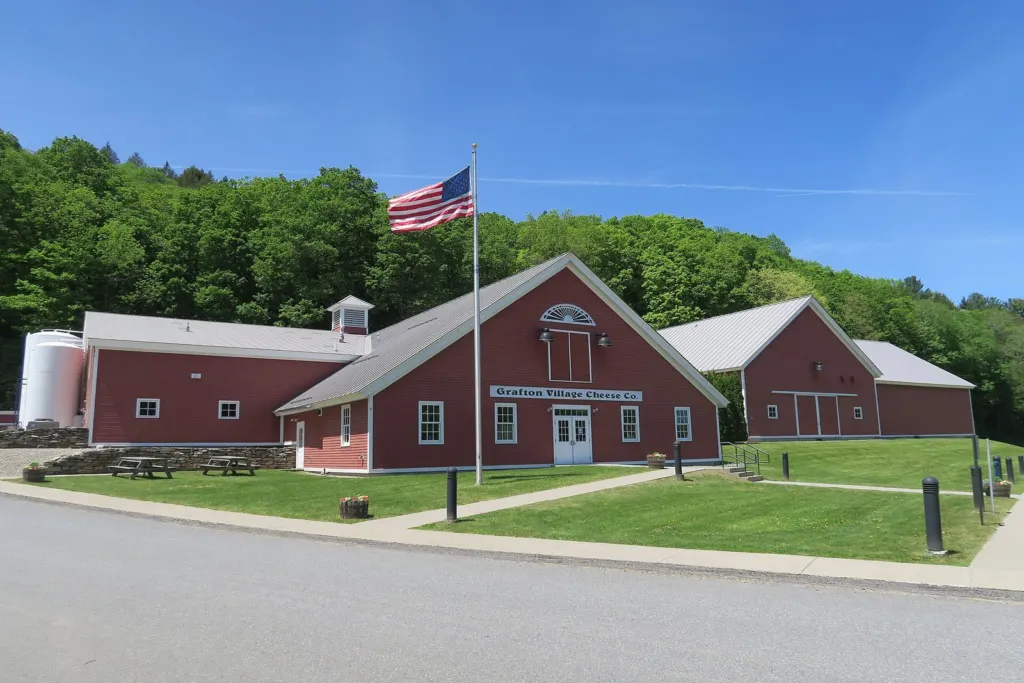
Vermont has one of the highest concentrations of cheesemakers in the country relative to its size. They range from farmstead producers, who make cheese only from their own animals’ milk, to larger cooperatives and companies.
Important features of the sector:
- The Vermont Cheese Council, a membership organization that promotes Vermont cheese, sets quality standards for members and publishes the Vermont Cheese Trail map of makers who welcome visitors.
- Aging facilities. Some businesses have built shared cheese caves where cheese from several farms is aged and marketed together.
- Research and training through the University of Vermont, which has supported artisan cheese through food science programs.
Vermont cheeses regularly win awards in national competitions, and the sector has given some dairy farms a way to capture more value from their milk (see how dairy farms are adapting).
Cider and craft beverages
Vermont’s orchards have supported a revival of hard cider, a drink with deep roots in early New England. Cideries range from tiny farm operations to nationally distributed brands, and many make cider from heirloom and wild apples.
Vermont’s craft beer scene is also nationally known, with many breweries drawing visitors to tasting rooms. Distilleries and wineries, including makers of maple and fruit spirits, round out the craft beverage sector. State law and licensing rules shape how these businesses can sell directly to consumers.
Crafts and design
Vermont has a long tradition of fine crafts: pottery, furniture and woodworking, glassblowing, weaving and fiber arts, jewelry and more. Many makers sell through:
- their own studios and galleries,
- craft fairs and juried shows,
- Vermont Open Studio Weekend, organized by the Vermont Crafts Council, when studios statewide open to visitors,
- online shops.
How small makers build a business
Common paths include:
- Starting small: selling at farmers markets and craft fairs to test products and build customers.
- Wholesale accounts: Vermont general stores, co-ops and specialty shops.
- Direct-to-consumer: online sales and shipping, plus visitor traffic from tourism.
- Shared infrastructure: food hubs, shared kitchens and co-packers that let small producers scale without building their own facilities.
- Financing and advice: VEDA, community lenders, the Working Lands Enterprise Initiative and free advising from the Vermont SBDC (see our guide to small business financing).
Challenges
- Costs: labor, ingredients, energy and shipping.
- Regulation: food safety, licensing and labeling rules, especially for food and beverage makers.
- Scale: growing too fast can strain quality and finances, while staying small can limit income.
- Seasonality in tourism-driven sales.
How we profile makers
Vermont Daily News profiles makers and businesses based on public information, their own published materials and, where indicated, on-the-record interviews. We do not publish paid profiles or accept payment for coverage. See our Advertise page and Editorial Policy. If you know a Vermont maker with a story worth telling, contact us.
Frequently asked questions
Can I visit cheesemakers? Some makers welcome visitors on set days or by appointment. Check the Vermont Cheese Trail map and call ahead, since farm schedules vary.
When is Open Studio Weekend? The Vermont Crafts Council has held statewide Open Studio events in spring and fall in recent years. Check the council’s website for current dates.
How do makers use the Vermont name? Vermont has rules about origin labeling. Products claiming to be from Vermont generally must meet standards set by the Attorney General’s consumer protection rules.
Where can I buy Vermont products if I don’t live here? Many makers ship directly, and some Vermont products are distributed nationally.
Related coverage
See maple technology and our fall foliage guide, when many makers do much of their business. More in People & Profiles.
Sources
- Vermont Cheese Council: https://www.vtcheese.com/
- Vermont Crafts Council, Open Studio Weekend: https://vermontcrafts.com/
- Vermont Agency of Agriculture, Food & Markets: https://agriculture.vermont.gov/
- Working Lands Enterprise Initiative: https://workinglands.vermont.gov/