Town Meeting Day Explained: How Vermont Towns Govern Themselves
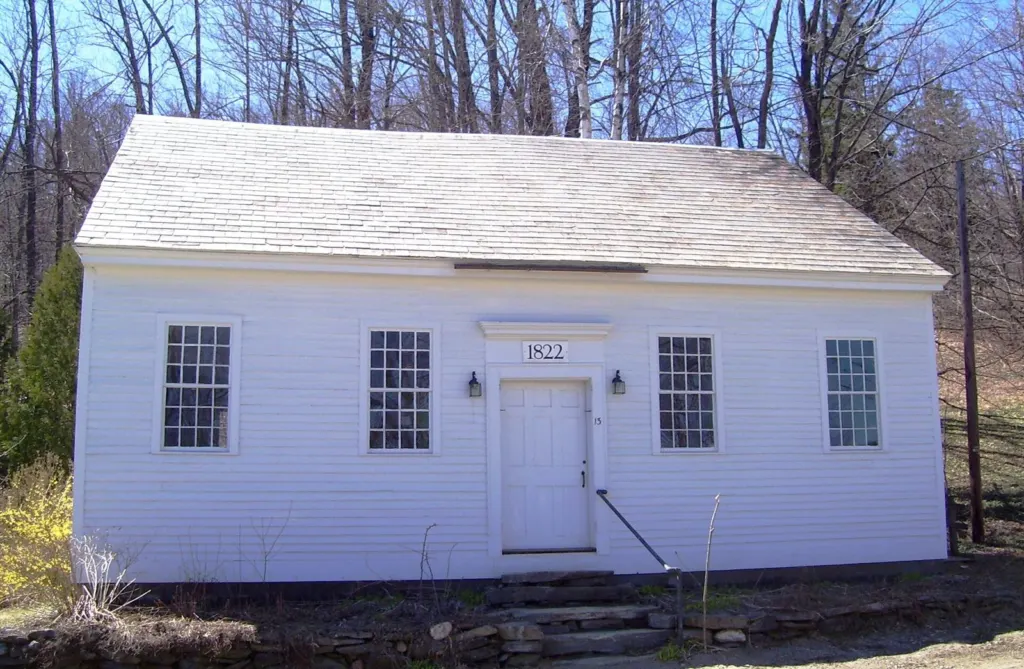
Photo: Beyond My Ken / Wikimedia Commons, CC BY-SA 4.0.
On the first Tuesday in March, much of Vermont takes the day off to govern itself. Town Meeting Day is a state holiday, and in towns across Vermont residents gather in school gyms, grange halls and town offices to debate and vote on budgets, elect local officials and decide local questions.
The tradition dates to Vermont’s colonial and early statehood years and is one of the purest forms of direct democracy in the United States. Here’s how it works today.
What gets decided
Typical town meeting business includes:
- Town budget: roads, police and fire, town offices, libraries and other services.
- School budget: usually voted separately by the school district, which may cover several towns.
- Elections of local officers, such as selectboard members, town clerk, treasurer, listers or assessors, moderator and school board members.
- Special articles: buying equipment, borrowing for a project, funding local nonprofits, changing how officials are elected, and occasionally advisory votes on state or national issues.
The warning and the town report
Every town meeting must be “warned.” The warning is the official list of articles to be voted on, posted publicly in advance. Voters can only act on what’s in the warning.
Most towns also publish an annual town report with budgets, audits, department reports and the warning. Reading it before the meeting is the best preparation.
Residents can add an article to the warning by petition, typically signed by 5% of registered voters, filed by a deadline before the meeting.
Floor meeting vs. Australian ballot
Vermont towns vote in two main ways, and many use a mix:
- Floor meeting. Voters gather in person. The moderator runs the meeting under rules of procedure. Articles are read, debated and amended from the floor, then voted on by voice, show of hands, standing count or paper ballot. Anyone present who is a registered voter can speak.
- Australian ballot. Articles are printed on a secret paper ballot, and voters go to the polls during the day, often with a public informational meeting held the night before or earlier. Items can’t be amended on the ballot.
Over recent decades, more towns and school districts have moved budgets to Australian ballot, mostly to let people who can’t attend a daytime meeting take part. Supporters of floor meetings say in-person debate leads to better decisions and stronger communities. Towns decide their own approach by vote.
After the pandemic, some towns kept a hybrid approach or moved permanently to ballots.
Who can vote
Registered voters in the town can vote. Vermont allows same-day voter registration, so you can register and vote on Town Meeting Day. A small number of municipalities, including Montpelier and Winooski, have adopted charter changes allowing noncitizen legal residents to vote in local elections. Those changes were approved by the Legislature and upheld by the Vermont Supreme Court.
Tips for first-timers
- Read the town report and the warning.
- Check the format: is your budget on the floor or on the ballot?
- Arrive early. Many towns serve lunch, often a fundraiser.
- Listen first. Debates can be long, and speakers are expected to address the moderator.
- Ask questions. Officials are there to answer them.
Why it matters
Town meeting is where Vermonters decide most local spending, including school budgets, which shape education property tax rates. It’s also a training ground for local leadership, and many state legislators started on selectboards or school boards.
Frequently asked questions
Do employers have to give workers the day off? Town Meeting Day is a state holiday, but private employers aren’t required to close. State employees and schools generally have the day off. Vermont law lets employees take unpaid time off to attend town meeting, with notice to their employer.
What if I can’t attend the floor meeting? If your town votes by Australian ballot, you can vote early or absentee. Floor meetings don’t allow absentee voting on articles decided from the floor.
Related coverage
See how the Vermont Legislature works, Vermont’s statewide elected officials, and the 2026 general election guide. More in Politics & State Government.
Sources
- Vermont Secretary of State, Town Meeting resources and elections: https://sos.vermont.gov/elections/
- Vermont League of Cities & Towns, town meeting guidance: https://www.vlct.org/
- Vermont Secretary of State, “Town Meeting” (Vermont State Archives): https://sos.vermont.gov/vsara/