Essex Missed a Warning Deadline. Now a ‘Yes’ on Its Local Option Taxes Needs a Second Vote.
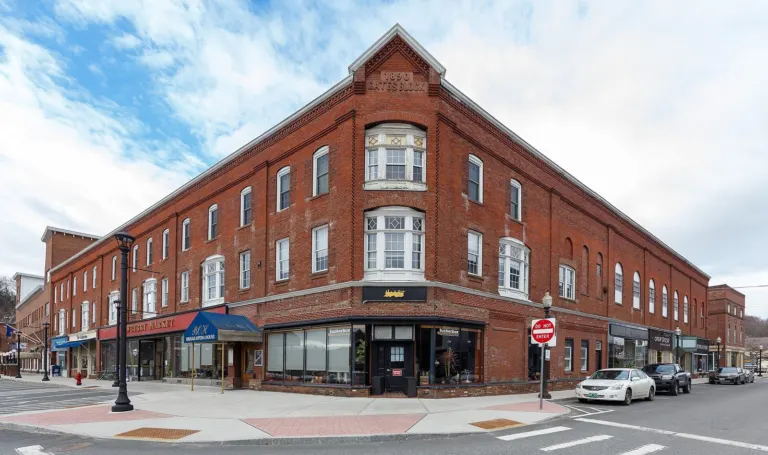
Photo: Dylanvt, CC BY-SA 4.0, via Wikimedia Commons.
Voters in the Town of Essex will see three local option tax questions on their ballots on Nov. 3. But because of a mistake in how the vote was warned, a “yes” result next month will not be the final word. Any question that passes will have to go back to voters for a second, ratifying vote at Town Meeting in March before the tax can take effect.
Here is what happened, what is on the ballot and what it means for residents and businesses.
The missed warning
Vermont law requires towns to publicly warn a special town meeting vote within a set window ahead of the election, at least 30 and no more than 40 days in advance. Essex did not post its warning for the local option tax questions within that window, VTDigger reported on Oct. 21.
The town acknowledged the error in a statement on Oct. 12 and laid out a fix. Under the plan, if voters approve any of the questions on Nov. 3, the selectboard will place a ratification question on the warning for Town Meeting on March 2, 2027. A simple majority would be needed to ratify. If voters reject a question in November, that result stands and the question is dead.
Selectboard Chair Shannon Jackson told VTDigger the town takes responsibility. “This was an honest mistake made by our town,” Jackson said.
Not everyone was ready to let it go. Bruce Post, who served on the Essex selectboard from 2009 to 2012, criticized the error in comments to VTDigger. “In this case, ignorance is not bliss,” he said.
What’s on the ballot
Essex is asking voters three separate questions, each proposing a 1% local option tax:
- A 1% tax on meals and alcoholic beverages served in restaurants and bars.
- A 1% tax on rooms, such as hotel and short-term rental stays.
- A 1% tax on retail sales.
Each question stands on its own, so voters can approve one, two, all three or none. Local option taxes are added on top of Vermont’s state sales, meals and rooms taxes and are collected by the state Department of Taxes, which sends the local share back to the town.
How much money is at stake
Under state law, the municipality keeps 75% of local option tax revenue and 25% goes to the state. According to the town’s frequently asked questions page on the ballot measures, if all three taxes were approved, Essex estimates net revenue to the town of about $1,058,030 a year, with roughly $352,677 going to the state.
Town officials have described the tax as a way to bring in revenue from visitors and shoppers who use local roads and services, and to reduce pressure on property taxes. Opponents of local option taxes generally argue that they make local businesses less competitive with neighboring communities that do not charge them.
A town still sorting out its new shape
The vote comes a few years after the Village of Essex Junction separated from the town and became its own city in 2022. Since the split, the Town of Essex has been working through how to pay for services on a smaller tax base. Many of the region’s retail and dining businesses sit along routes such as Route 15, and neighboring Williston and South Burlington already levy local option taxes.
Town Manager Greg Duggan and Selectboard Vice Chair Ethan Lawrence have both been involved in the town’s public discussion of the ballot items and the correction, according to VTDigger’s reporting.
What voters should know
For voters, the practical effect is straightforward: the Nov. 3 vote still matters. A “no” vote ends a question. A “yes” vote moves it to a second vote in March. If ratified at Town Meeting, the tax would then take effect on a schedule set under state law, which generally requires notice to the Department of Taxes before collections begin.
The town has posted information on the questions on its website at essex.org, including the FAQ and revenue estimates. Residents with questions about voting, early ballots or polling places can contact the Essex town clerk’s office.
The episode is also a reminder of how much of Vermont’s local democracy depends on procedural details that rarely get attention until something goes wrong. Warning deadlines exist so voters have time to learn about a question before they decide. Essex’s fix means voters will get two chances to weigh in on these taxes, whether they wanted them or not.