Essex Junction’s zoning rewrite isn’t just about height: ADUs, chickens and starter homes
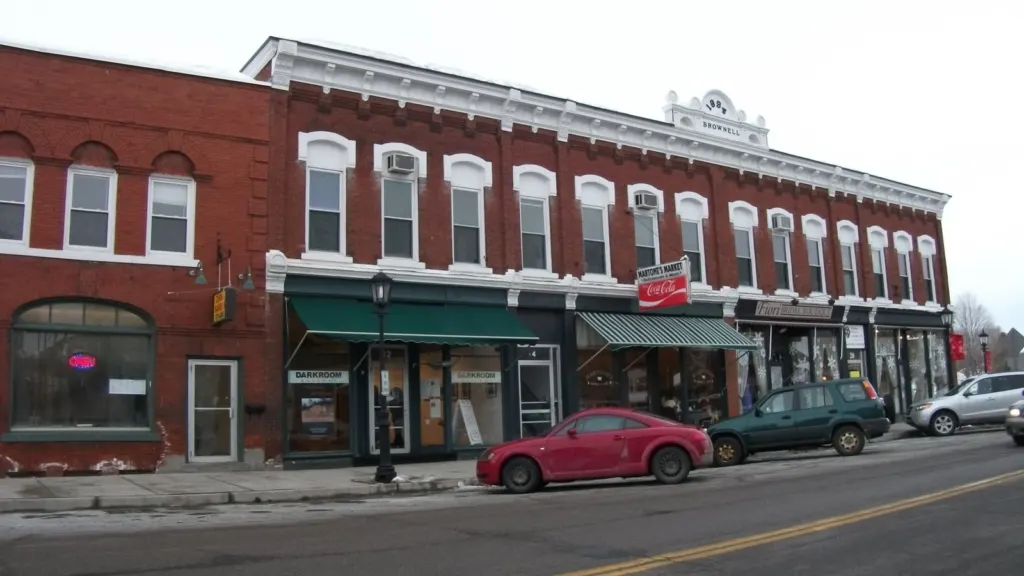
The Brownell Block in the Village Center, one of the districts covered by the proposed form-based code. Photo: Dougtone / Wikimedia Commons, CC BY-SA 2.0
Essex Junction’s proposed 10-story height limit has drawn most of the attention, but the zoning rewrite the City Council will hear on Dec. 16 reaches every lot in the city. It would drop the owner-occupancy rule for accessory apartments, fast-track some state-designed starter homes, extend historic protections to the Village Center and set new rules for backyard chickens.
The council voted 5-0 on Nov. 12 to warn the hearing on a revised draft of the 2026 Land Development Code amendments, according to the city’s form-based code project page. The hearing notice lists 11 groups of changes and states plainly that they “apply to all areas and zoning districts within the city.”
The height rules, briefly
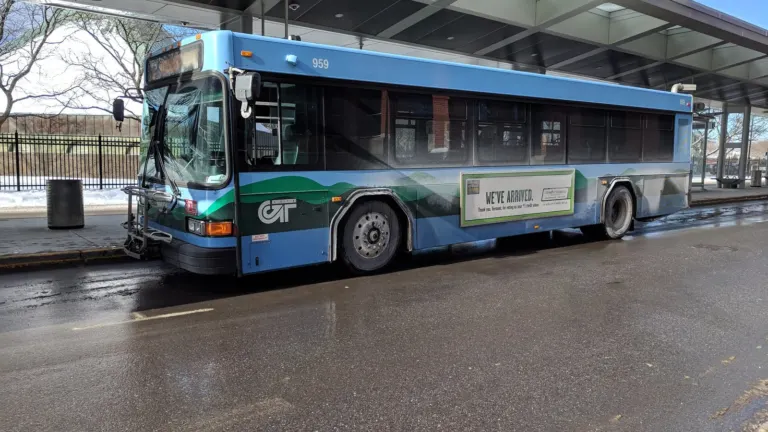
The new form-based code covers the Village Center around Five Corners and the transit-oriented district along Pearl Street, which is served by Green Mountain Transit’s Route 2 bus. In the tallest subdistricts, buildings could reach nine stories, or 10 with an affordable housing bonus. Other subdistricts are capped lower.
The city says the cap is not new. The council chose the “9+1” option in December 2025 when it adopted the Connect the Junction master plan, and the city’s building height explainer says the code “doesn’t reopen that decision.” Its job is to manage how height meets the street: upper floors step back where a building is tall relative to the street, and larger setbacks and landscaped buffers are required next to lower residential neighborhoods.
City staff estimate the plan creates room for up to 2,008 new homes in the project area, about two-thirds of Essex Junction’s mid-range target of 3,061 new homes by 2050. Seven Days, which reported on the debate this week, noted that the city’s tallest buildings now stand five stories.
Changes outside the downtown districts
Several items in the notice would matter to homeowners who never live near a nine-story building:
- Accessory apartments. The owner-occupancy requirement for accessory dwelling units would be removed to conform to Vermont Act 179 of 2026, so an owner would no longer have to live on the property to rent an ADU.
- 802 Homes. Designs from the state’s 802 Homes Catalogue would be exempt from design review, subject to conditions in the draft.
- Chickens and livestock. Backyard poultry rules would move from the municipal code into the zoning code and change to match Act 166 of 2026, including limits on nonconforming flocks. The Dec. 16 hearing is the first public hearing on those provisions.
- Historic overlay. The Historic Preservation Overlay would be extended to include the Village Center, while the Design Review Overlay would shrink to exclude areas now covered by the form-based standards.
- Stormwater. Erosion and stormwater rules would be reorganized and strengthened, restoring provisions the city says were left out of an earlier draft by mistake.
New buildings in the Village Center and transit district would also have to provide site amenities and public civic space, or pay into a fund instead. Community Development Director Chris Yuen told the council that only small lots could pay the full fee in lieu, according to the Essex Reporter; larger lots could cover only half that way.
What residents told the city
The city’s public engagement summary shows a split. During 2025 outreach, 94% of in-person respondents, 61 of 65, backed more height on Pearl Street to address the housing shortage. Online, 47% said yes and 39% said no out of 51 responses, and roughly half of online respondents favored keeping the Village Center at five stories or cutting it to four.
The summary itself cautions that neither group is a representative survey, and notes that none of the online respondents who mapped their homes lived inside the study area.
Vermont communities from South Burlington to Fairlee are working through similar trade-offs as they try to add homes, and the state’s own numbers on the shortage are laid out in our housing data explainer.
The hearing starts at 6:30 p.m. Dec. 16 in the municipal offices conference room at 2 Lincoln St. and on Zoom. The council may act that night or at a later meeting. The full draft is on the city website and in print at the municipal offices. More housing and development coverage is in our Real Estate section.
Add Vermont Daily News as a preferred source on Google (opens in a new tab)