Act 170 merger committees start work, and the first questions are about process
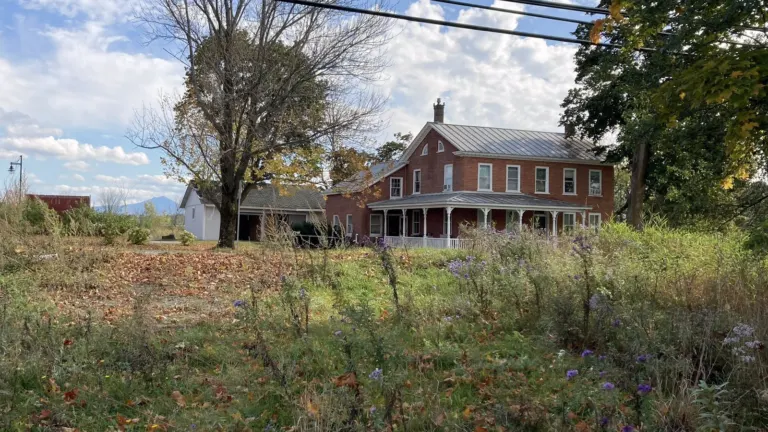
Photo: Cwmeier, CC BY-SA 4.0, via Wikimedia Commons.
The committees that will redraw Vermont’s school district map have started meeting, and the first round of sessions has already surfaced basic questions about how they should run.
Under Act 170, the education transformation law passed by the Legislature this year, Vermont’s 119 school districts have been sorted into 18 regional merger groups. Each group has a committee of district representatives charged with studying a merger and producing a plan. The law set Oct. 15 as the deadline for every committee to hold its first meeting.
Most made it. At least one did not.
Ludlow-Mount Holly changes groups
The Ludlow-Mount Holly district was moved out of Group 7, which includes the Green Mountain and Springfield districts, and into Group 3, which includes districts in Bennington and Rutland counties. Local reporting by the Chester Telegraph said preserving high school choice for Ludlow-Mount Holly students was a central reason for the switch.
The move cut Group 7’s combined enrollment from about 3,087 students to 2,768 and raised Group 3’s from 2,792 to 3,111. Group 3’s first meeting is set for Wednesday, Oct. 28, after the statutory deadline.
School choice is shaping how other districts look at potential partners, too. Towns that tuition their high school students to schools of their choosing have been wary of any merger that could end that arrangement.
Questions from Lamoille South
In an Oct. 6 update to the community, Lamoille South Superintendent Ryan Heraty laid out two unresolved issues following the Sept. 30 organizational meeting of Group 15, which includes Elmore-Morristown and Stowe along with Lamoille North, Cambridge, Craftsbury, Hazen, Mountain View and Wolcott.
The first was representation. Act 170 calls for committee representation proportionate to enrollment, but committees have not been given a uniform formula for setting membership or voting power.
The second was public notice. Heraty noted that meeting notices had not appeared on the state’s website and questioned whether the meetings had been properly warned under Vermont’s open meeting requirements. Lamoille South has said it will post agendas, minutes and presentations itself, and it has published draft minutes from the Sept. 30 session.
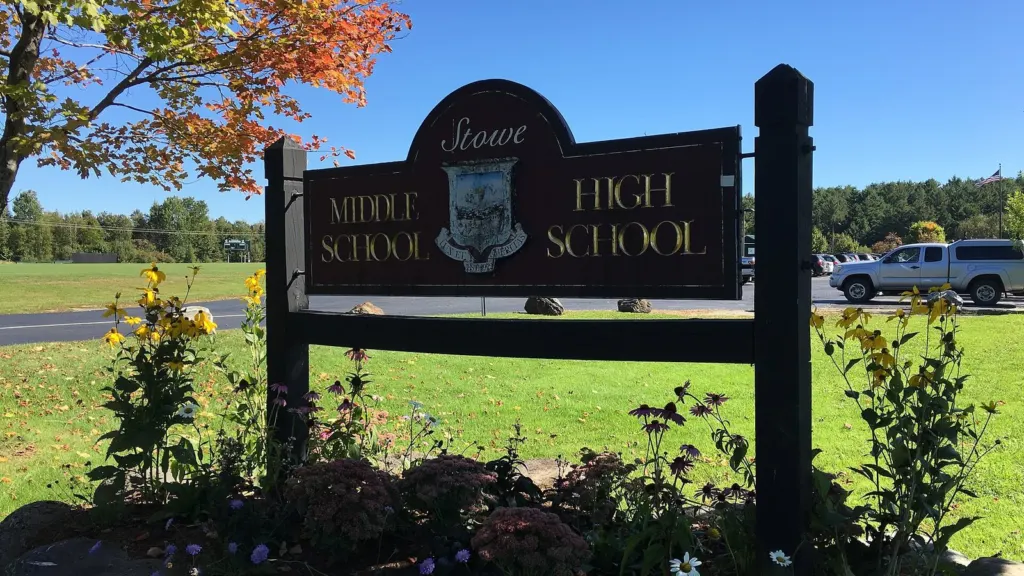
Group 15’s first meeting produced no merger decision. Its next meeting is Monday, Dec. 7, from 6 to 8 p.m. at Stowe High School.
The good-faith rule
One question that had been hanging over the process is now settled. The state released a good-faith participation standard in late September along with the final group assignments.
The standard presumes districts are acting in good faith and spells out what is expected of them: appoint representatives, attend meetings, share information and take part in the study. It states that opposing a merger is not bad faith. It also separates isolated disagreements or missed meetings from repeated conduct that keeps a committee from doing its work, and it gives a district notice and a chance to respond before any finding of bad faith.
The Vermont Learning Collaborative is facilitating the committees under a state contract that pays $150 an hour, capped at $50,000.
Dates ahead
- Monday, Oct. 26: The State Board of Education’s Minimum Class Size Implementation Committee meets. Its guidance for the 2027-28 school year could affect staffing and the future of small schools, even though it is separate from the merger work.
- Oct. 28: Group 3’s first meeting.
- Dec. 7: Group 15’s second meeting in Stowe.
- Feb. 1, 2027: The lead facilitator’s statewide status report is due.
- Sept. 1, 2027: Merger committees submit final reports.
- March 7, 2028: Town Meeting Day, when voters are scheduled to decide on the plans.
Familiar ground
Vermont went through a version of this a decade ago. Act 46, passed in 2015, pushed districts toward voluntary mergers with tax incentives and later ordered consolidations for districts that had not merged on their own. Some towns sued over those orders.
Act 170 reaches every district in the state. Supporters say it responds to declining enrollment, rising property taxes and the cost of many small separate administrations. Critics worry larger districts will move decisions further from the towns that pay for their schools. Many of the people now on merger committees are local school board members who will have to make that case, one way or the other, to their own neighbors.
Committee agendas and recordings are being posted on individual supervisory union websites, and statewide requirements and deadlines are on the Vermont Agency of Education site.