Community nurses in Vermont towns offer free visits that insurers do not bill
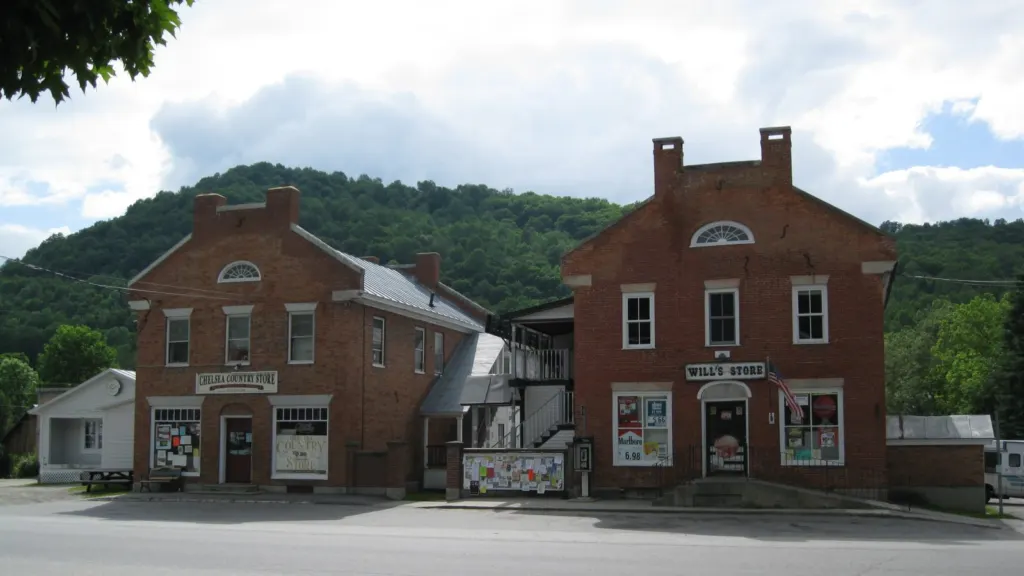
Downtown Chelsea, one of the towns where community nurse Jodi Hoyt now works. Photo: Dougtone, CC BY-SA 2.0, via Wikimedia Commons.
When Democratic/Progressive candidate Amanda Janoo pointed to Tunbridge’s community nurse during an Oct. 21 healthcare debate, Jodi Hoyt said she had no idea she was about to be named on statewide radio.
“Oh, I had no idea!” Hoyt told VTDigger the next morning, after a friend texted her about the exchange. In the debate with Gov. Phil Scott, Janoo had said, “In Tunbridge, for example, their community nurse is just a municipal employee, and that ensures that everybody has some sort of local healthcare. And I love that model, right?”
Hoyt started the Tunbridge program in 2022 and has built it to 12 hours a week, from five to eight hours at the start. A year ago she added Chelsea, where she grew up, and now works 10 hours a week there as well. She described the job as reaching people who do not see a doctor regularly, whether college students or older residents, and said she is often flagged down at the market or a soccer match.
Community Nurse Connection, a nonprofit network that began as a project in 2010, now includes 12 community nurse programs in Vermont and five in New Hampshire, executive director Kristin Barnum told VTDigger. Some towns, including Tunbridge, fund the nurse as a municipal employee. Others use a nonprofit fund. What matters, Barnum said, is that the visits are free to patients and are not billed to Medicare or another insurer, which lets a nurse spend a half-hour talking about nutrition or helping someone apply for food assistance, rather than working to a set number of visits defined by a doctor or payer.
That model also limits what the nurses can do. Because they are not operating under a physician’s orders, they cannot provide the hands-on care a home-health nurse billing Medicare would give.
In Hartford, community nurse Katie Williams, whose job is housed in the fire department, called her approach “slow medicine.” She spends an average of an hour with each of about 45 patients and also holds daylong drop-in clinics at the town’s senior center. The department refers residents who have had multiple falls that were not reimbursed, and firefighters call her when they see warning signs such as a lack of heat or possible dementia, VTDigger reported.
Barnum said the programs’ biggest documented effects have been fewer falls, more older people remaining at home, and less anxiety and isolation. Catching problems early, she said, can also head off 911 calls that often end in an emergency-room trip because Medicare does not pay emergency crews when a patient is not transported.
Tunbridge Town Clerk Bonnie McCrillis told VTDigger that Hoyt could stay busy “eight hours, 10 hours a day, six, seven days a week.” Hoyt’s own goal is simpler, and larger. “I would like to see a community nurse in every town,” she said.
Add Vermont Daily News as a preferred source on Google (opens in a new tab)