John Deere’s Vermont roots: the blacksmith from Rutland and Middlebury
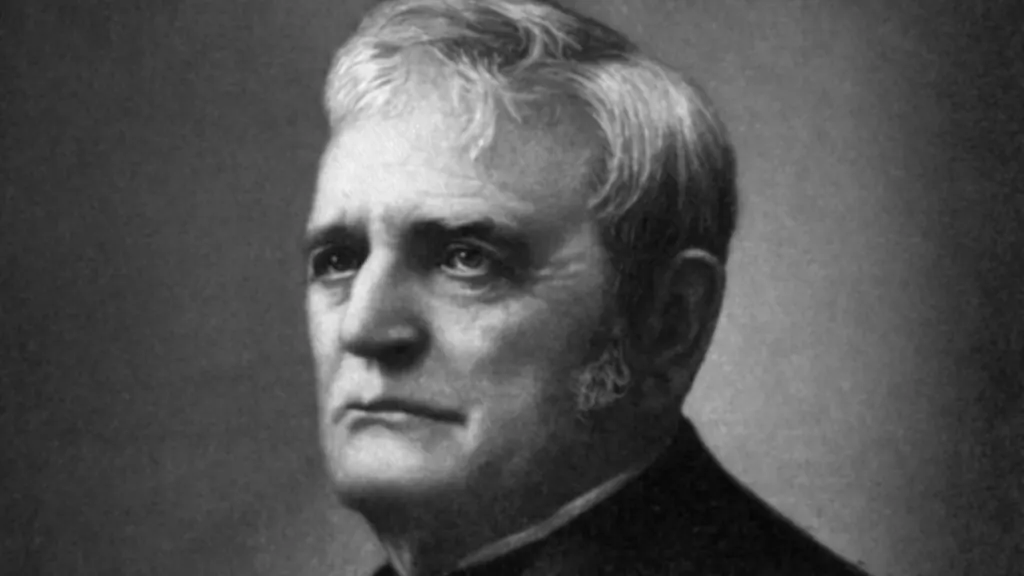
Photo: Wilson, James Grant, 1832-1914; Fiske, John, 1842-1901; Dick, public domain, via Wikimedia Commons.
Before John Deere became a brand on green tractors, he was a Vermont blacksmith.
He was born in Rutland in 1804. His father, a tailor, was lost at sea when John was young, and he grew up in Middlebury, where at 17 he began a four-year apprenticeship with a blacksmith. He went on to work as a journeyman and ran his own shops in several Vermont towns, including Burlington, Vergennes and Leicester. Business was hard; at least one of his shops burned, and he fell into debt.
Heading west
In 1836, Deere left his family in Vermont and moved to Grand Detour, Ill., where blacksmiths were in short supply. Farmers there told him their cast-iron plows clogged constantly in the sticky prairie soil, forcing them to stop every few feet to scrape the blades clean.
In 1837 Deere made a plow with a polished steel share, reportedly from a broken sawmill blade, that scoured itself as it cut. It worked. He began making plows to sell, and his family joined him.
The company
Deere moved his business to Moline, Ill., in 1848, to be near the Mississippi River for shipping and supplies. Deere & Company grew into one of the largest farm equipment manufacturers in the world. Deere died in Moline in 1886.
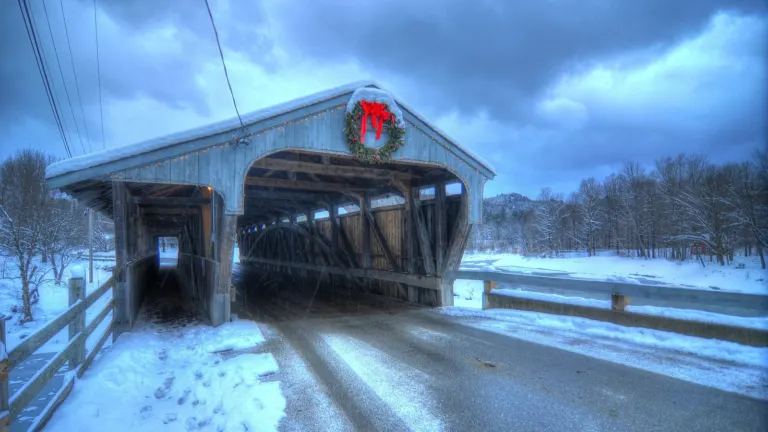
Vermont has not forgotten him. Middlebury and Rutland both mark their connection, and a historical marker notes his apprenticeship. For a state of small farms, it is a nice irony that the man whose name is on so many tractors learned his trade shoeing horses in Addison County.