Lake Champlain cleanup is off track after nearly $1 billion, EPA warns
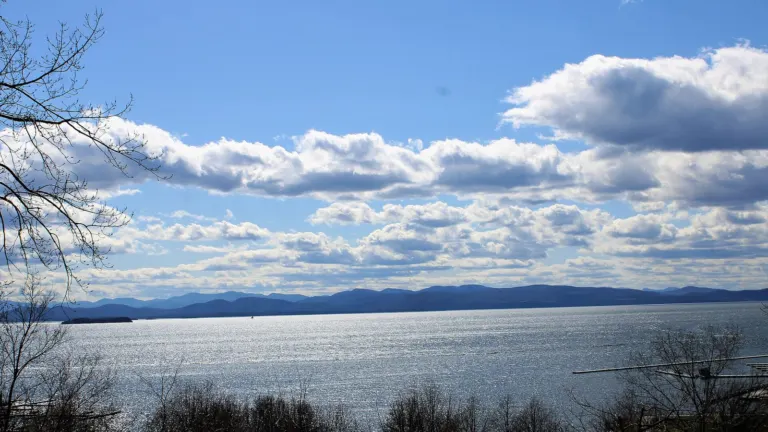
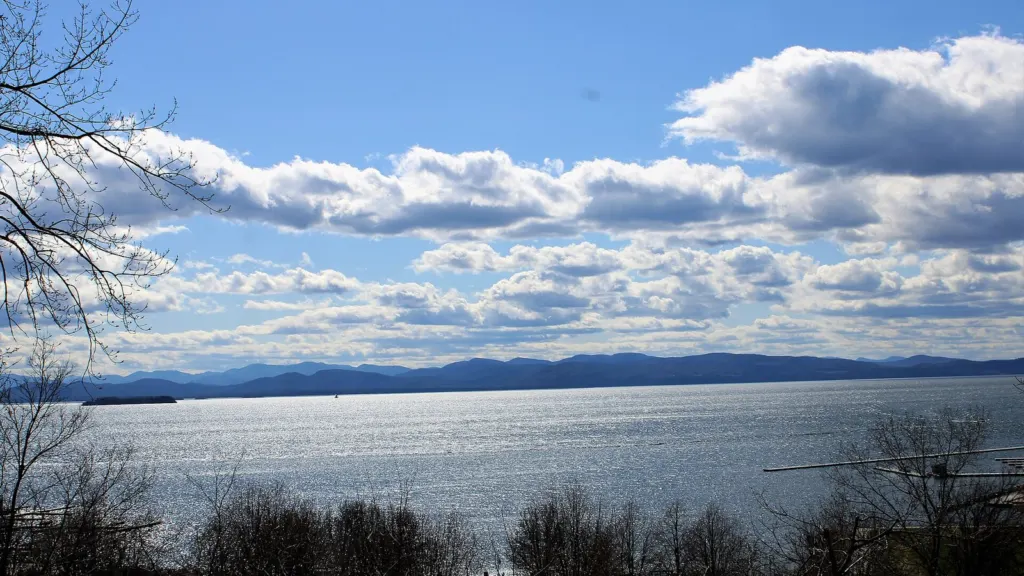
Lake Champlain from Burlington. Photo: Farragutful, CC BY-SA 4.0, via Wikimedia Commons.
A decade after Vermont’s Clean Water Act and nearly a billion dollars into Lake Champlain cleanup, the U.S. Environmental Protection Agency says the state is not on track to hit its phosphorus targets, according to a Seven Days and ProPublica investigation published this week.
Halfway through the two-decade timetable set in 2016, Vermont has achieved about 35 percent of the required pollution cuts, state estimates show. An EPA regional administrator warned the Department of Environmental Conservation last year that the annual pace would need to more than double.
Seven of the lake’s 15 sampling stations have exceeded the EPA’s annual phosphorus limits every year since 2015. Four stations recorded higher average phosphorus over the past decade than in the decade before, including stretches in the southern lake and the northeast arm.
Where the pollution comes from
Phosphorus feeds cyanobacteria blooms that close beaches, kill pets and threaten drinking water for roughly 200,000 people. Vermont contributes about two-thirds of the phosphorus entering the 120-mile lake it shares with New York and Quebec. Agriculture is the largest sector source. Stormwater from roads, parking lots and development contributes the most phosphorus per acre.
Sewage-plant upgrades took care of what former EPA official Eric Perkins called the low-hanging fruit. The harder work — farm manure timing, concentrated animal feeding operations, and the “3-acre” stormwater rule for paved sites — has moved slower.
Vermont still splits farm oversight between the Agency of Agriculture and the Agency of Natural Resources. In 2024 the EPA told the state to consolidate Clean Water Act authority at Natural Resources. A state task force has recommended years more study before a stronger CAFO permit program. Lawmakers also pushed the deadline for 3-acre stormwater permits in the Champlain basin to 2028, with upgrades not required until 2033.
What officials say vs. what monitors see
Agency of Natural Resources Secretary Julie Moore has said projects are moving but lake data lag. “This is a complex ecosystem, and we need to come at this work with a whole lot of humility,” she told the reporters.
Laura DiPietro of the agriculture agency said the first years went to building programs and that larger phosphorus cuts should show up in the next decade. Volunteers who sample blooms along the islands and in St. Albans Bay say summers are still closing beaches. St. Albans Bay Park’s public beach was closed to swimming for most of the season after June, local advocates told Seven Days.
Climate adds pressure. Blooms now stretch earlier into spring and later into fall. The 2023 floods moved months of phosphorus into the lake in a week. Drought in 2025 concentrated blooms in shallow water.
For shoreline towns that sell summer, the scorecard is simple: whether the water is swimmable in August. On that measure, a billion dollars has not yet bought the finish line the 2016 targets described.
Drinking-water utilities around the lake already treat for taste, odor and, when needed, toxins. Beach closures are the public face of the problem; treatment costs and property values are the quieter ones. Until farm and stormwater rules catch up with the EPA’s timetable, those costs stay on municipal budgets and shoreline owners while the green film keeps returning in August.
Legislators returning to Montpelier will face another round of farm bills, stormwater deadlines and Clean Water Fund budgets with the EPA’s warning letter sitting in the background. Whether they treat the ProPublica findings as a nudge or a crisis will show up in the next capital bill — and in next August’s beach postings.
Quebec and New York face their own phosphorus fights, but Vermont’s share of the load keeps the political pressure in Montpelier. Dairy remains a cultural and economic pillar; stormwater rules hit every big-box parking lot. Bridging those interests is why the easy projects got done first. The EPA letter says the easy projects were never going to be enough.
Add Vermont Daily News as a preferred source on Google (opens in a new tab)