Flu cases remain low in Vermont, but COVID-19 is showing up more, health officials say
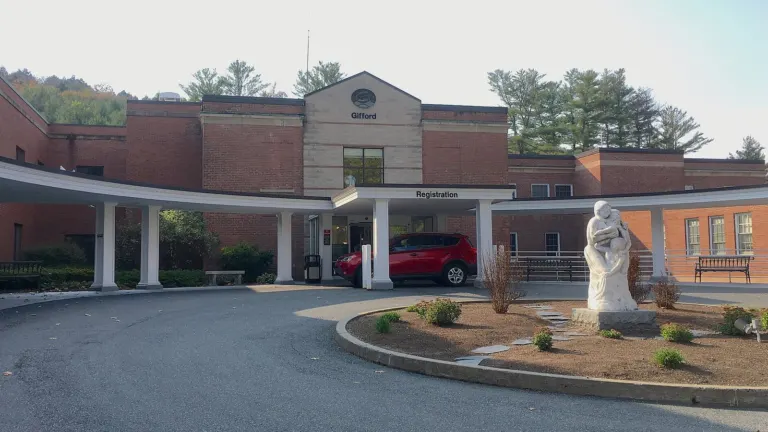
The University of Vermont Medical Center in Burlington, formerly Fletcher Allen Health Care. Photo: Gopats92, CC0, via Wikimedia Commons.
Flu cases in Vermont were still running low in early October, but Health Commissioner Dr. Rick Hildebrant said doctors were already seeing more COVID-19, including severe illness, as the respiratory season got underway.
“I’m hearing about it a lot and, you know, typically people are getting quite ill,” Hildebrant told WCAX on Oct. 9, referring to COVID-19 rather than influenza. He said emergency physicians were also seeing some flu cases serious enough to put patients in the hospital, though statewide flu counts remained low and were only beginning to tick up.
“Really now is the time to consider getting that flu shot to protect yourself against this,” he said. It was too early, he told the station, to know whether the season would peak early, as it did last December, or how closely the vaccine would match circulating strains. Even a poorly matching shot, he said, can still keep people out of the emergency room or an intensive-care unit.
Those comments followed the Health Department’s Sept. 30 recommendations for the 2026-27 season, the first issued under a new state law that lets Vermont publish its own vaccination guidance with advice from the Vermont Immunization Advisory Council. The department recommends flu and COVID-19 vaccines for adults and children starting at 6 months of age, and RSV vaccination for infants, young children and older adults, especially anyone at higher risk of serious illness.
“As we head into fall, now is the right time to get vaccinated so you are protected when the flu and other seasonal illnesses begin to increase,” Hildebrant said in that release. It takes about two weeks to build immunity after vaccination, the department said, so the preferred window is early fall, ideally by the end of October. A flu shot later in the season is still worthwhile, officials said.
As of late September, flu vaccines were already available at pharmacies and at health care providers’ offices. COVID-19 vaccines were available at pharmacies and were expected at doctors’ offices in the following weeks. Most insured patients, including those on Medicare and Medicaid, pay nothing for the shots; uninsured adults under 65, or those whose plans skip immunizations, can get them at no cost through a local Health Department office.
WCAX reported that neither flu nor COVID-19 shots were in short supply in early October, and that both were then available at pharmacies and primary-care offices around the state.
Add Vermont Daily News as a preferred source on Google (opens in a new tab)